It seems we can't find what you're looking for.

The intriguing history of gambling tracing its evolution through the ages
The Origins of Gambling
The history of gambling dates back thousands of years, with its origins intertwined with the early practices of human civilization. Archaeological evidence suggests that ancient Chinese civilizations used tiles for a rudimentary lottery game around 200 BCE. This early form of gambling laid the groundwork for future betting practices. The concept of wagering on uncertain outcomes captured the human imagination, creating a cultural tapestry rich in social interaction and competition. Today, you can explore a vast array of games at source, including those reminiscent of ancient practices.
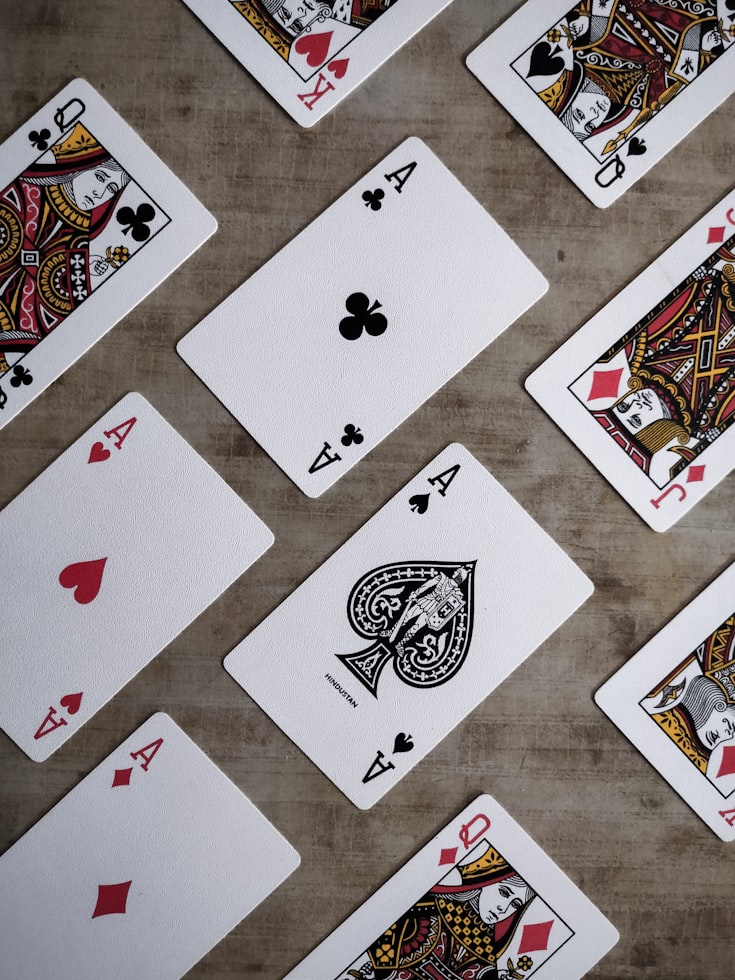
As gambling spread across cultures, the Greeks and Romans embraced it fervently. The Greeks introduced betting on athletic events, while the Romans incorporated gambling into daily life, even establishing laws to regulate games of chance. These ancient societies saw gambling not just as entertainment but as a means of socialization, reflecting the human desire to challenge fate and luck. The role of dice, a popular gambling tool, emerged during this period, symbolizing randomness and chance.
Throughout the Middle Ages, gambling continued to evolve, with card games gaining popularity in Europe. The arrival of playing cards, believed to have originated in China, revolutionized gambling. The game of chance became more strategic, blending skill with luck. This adaptation not only entertained the masses but also paved the way for modern gaming establishments, highlighting how gambling has always mirrored societal changes and technological advancements.
Gambling in the Modern Era
The 17th and 18th centuries marked a significant turning point in the history of gambling. During this time, establishments such as casinos began to flourish in Europe, offering a more formalized setting for gambling activities. The first official casino, the Ridotto, opened its doors in Venice in 1638, setting a precedent for future gambling houses. These venues provided a diverse array of games, from roulette to faro, attracting aristocrats and commoners alike.
The rise of the Industrial Revolution further transformed gambling. With increased urbanization, people sought new forms of entertainment. Betting on horse races gained immense popularity, leading to the establishment of racetracks. Lotteries became a common method for funding public projects, further intertwining gambling with social responsibility. This period saw the emergence of regulatory frameworks aimed at curbing illegal gambling practices, balancing profit with public welfare.
The 20th century brought about significant developments in gambling, particularly with the advent of technology. The introduction of slot machines in the late 1800s revolutionized the industry, allowing people to gamble in a more accessible manner. With the establishment of Las Vegas as a gambling hub in the mid-20th century, gambling transformed into a major entertainment industry. This era witnessed the birth of online gambling, expanding the reach of casinos beyond physical locations, including new platforms like Dragon Slots Casino.
The Global Influence of Gambling
As gambling evolved, it transcended cultural and geographical boundaries, reflecting diverse societal norms. In some cultures, gambling is deeply embedded in traditions, while in others, it faces regulatory scrutiny. For instance, Asian cultures have long revered games like Pai Gow and Sic Bo, integrating them into social and familial gatherings. Conversely, many Western countries have enacted strict laws to control gambling, highlighting the tension between cultural acceptance and regulatory measures.
The globalization of gambling brought about a new era of online platforms, allowing players to engage in gaming from the comfort of their homes. This shift democratized gambling, making it accessible to a wider audience. Online casinos, like Dragon Slots casino, offer an array of games and bonuses, appealing to both casual players and high rollers. The convenience and security provided by online gambling platforms have contributed to its rising popularity worldwide.
As technology continues to advance, the future of gambling appears to be intertwined with innovations such as virtual reality and blockchain technology. These advancements promise to enhance user experiences, making gambling more immersive and secure. With the potential for personalized gaming experiences and decentralized platforms, the evolution of gambling will likely continue to reflect societal changes, shaping how we perceive risk and reward in the coming years.
Challenges and Controversies in Gambling
While gambling offers entertainment and economic benefits, it also brings forth numerous challenges and controversies. Problem gambling remains a significant concern, affecting individuals and families worldwide. The accessibility of online gambling has led to increased instances of addiction, prompting discussions about responsible gambling practices. Regulators and gaming companies are increasingly focusing on creating safer environments for players, offering resources and support systems to combat gambling addiction.
The social stigma surrounding gambling adds another layer of complexity. While many view it as a harmless pastime, others associate it with negative social implications, including crime and poverty. Campaigns promoting awareness of responsible gambling aim to shift the narrative, emphasizing the importance of moderation and informed decision-making. This ongoing dialogue reflects society’s evolving perception of gambling and its impact on communities.
Additionally, the regulatory landscape surrounding gambling is constantly changing. As online casinos gain popularity, governments worldwide are grappling with how to regulate the industry effectively. Issues such as taxation, consumer protection, and data privacy require careful consideration. The balance between promoting economic growth through gambling and protecting consumers remains a challenging task for lawmakers, requiring collaboration between industry stakeholders and government entities.

The Role of Dragon Slots Casino in Modern Gambling
Dragon Slots casino represents a significant player in the modern gambling landscape, offering an extensive range of gaming options tailored to Canadian players. With over 3,800 games, including slots, table games, and live dealer options, it caters to diverse preferences and skill levels. The casino’s user-friendly interface ensures seamless navigation, making it easy for players to find their favorite games and enjoy an unparalleled gaming experience.
Security and convenience are paramount at Dragon Slots casino, which employs advanced encryption technologies to protect user data. The platform’s commitment to responsible gaming is evident through its various support resources, ensuring that players can gamble safely and responsibly. Additionally, the casino’s attractive bonuses, such as a 200% welcome bonus and 400 free spins, entice players while enhancing their gaming experience.
As the online gaming industry continues to evolve, Dragon Slots casino remains at the forefront, adapting to trends and innovations. Its dedication to customer satisfaction is reflected in its 24/7 bilingual support, ensuring that players receive assistance whenever needed. By prioritizing safety, entertainment, and accessibility, Dragon Slots casino exemplifies the next phase of gambling, bridging the gap between tradition and modernity in this ever-evolving industry.

No comment yet, add your voice below!