It seems we can't find what you're looking for.

The psychology behind risk Understanding the mental impact of gambling habits
The Nature of Risk in Gambling
Risk is an inherent aspect of gambling that draws many individuals into the world of casinos and betting. The thrill of potentially winning large sums of money entices players, often overshadowing the risks involved. This allure can be attributed to a psychological phenomenon known as “loss aversion,” where the fear of losing something is more potent than the desire to gain something of equal value. Consequently, players may disregard the odds in favor of the excitement and the possibility of a substantial win. Many find that this journey into risk can lead them to sites like https://barzcasino.app, where they can explore diverse gaming options.
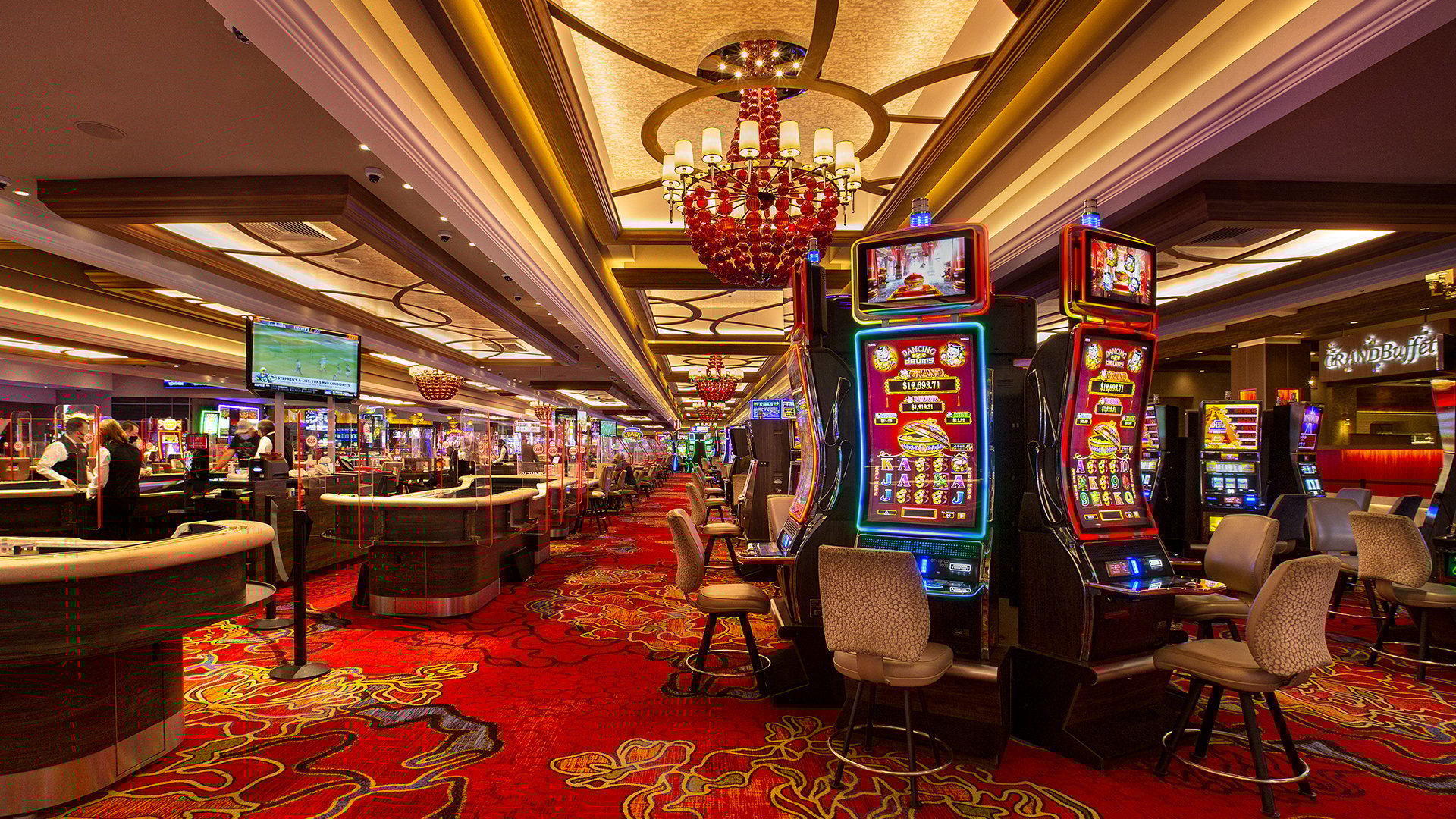
Moreover, gambling is designed to stimulate the brain’s reward system, releasing dopamine—a neurotransmitter associated with pleasure and reward. This chemical response can lead to a cycle of repetitive gambling behavior, where the brain craves the rush associated with risk-taking. For many, each bet becomes a gamble not only of money but also of emotional investment, making it difficult to step back and assess the situation rationally.
This psychological engagement with risk manifests in various forms, from casual betting on sports to high-stakes gambling in casinos. Understanding the nature of this risk helps illuminate why some individuals develop gambling habits that can be difficult to break. The interplay between excitement, reward, and psychological need creates an environment ripe for compulsive behavior.
Several psychological triggers contribute to the development and persistence of gambling habits. One prominent trigger is the concept of “near misses.” Gamblers often experience situations where they almost win, such as landing on symbols that are close to a winning combination. This phenomenon can create a false sense of hope and lead individuals to gamble more, believing that they are just one step away from a significant win.
Additionally, the social aspect of gambling can act as a catalyst for habit formation. The camaraderie experienced in casinos, whether it’s cheering for a friend at a poker table or celebrating a win together, can reinforce the desire to gamble. This social environment can normalize risky behavior, making it seem acceptable and even enjoyable, further embedding these habits in an individual’s lifestyle.
Another critical psychological factor is the desire for escapism. For many, gambling provides a temporary escape from daily stressors and emotional challenges. This drive can lead to increased gambling when individuals are feeling overwhelmed, as they seek the thrill of risk as a distraction. Understanding these psychological triggers is essential for developing effective interventions and support systems for those struggling with gambling addiction.
Cognitive biases play a significant role in shaping how individuals perceive risk in gambling. One common bias is the “illusion of control,” where gamblers believe they have more influence over the outcome than they actually do. This can lead players to engage in superstitious behaviors, such as wearing lucky clothing or performing rituals before placing bets, as they seek to assert control over the unpredictable nature of gambling.
Another prevalent cognitive bias is the “sunk cost fallacy,” where individuals continue to gamble to avoid recognizing their losses. They may convince themselves that their prior investments warrant further bets, even when the odds are against them. This thinking can result in escalating losses and heightened emotional distress, making it harder to disengage from gambling.
Understanding these cognitive biases is essential for those looking to mitigate gambling behaviors. By recognizing how these mental shortcuts influence decisions, individuals can develop strategies to counteract these biases, such as setting strict budgets and timelines for gambling activities. Education about cognitive biases can empower individuals to approach gambling with a more critical and informed mindset.
The emotional impact of gambling can be profound, affecting not only the gambler but also their families and communities. Gambling can lead to a range of negative emotions, including anxiety, guilt, and depression. As individuals chase losses or grapple with the consequences of their gambling habits, they may experience significant emotional turmoil, which can further perpetuate the cycle of addiction.
In addition, the financial strain that often accompanies gambling can lead to severe stress and relationship breakdowns. Family members may feel the effects of financial instability, creating tension and distrust. The gambler may also withdraw from loved ones, isolating themselves as they deal with the repercussions of their actions. This emotional fallout highlights the importance of addressing not just the gambling behavior but also the underlying emotional factors contributing to it.
On a broader scale, communities can also feel the impact of widespread gambling habits. Increased crime rates and social issues can arise as individuals struggle with addiction, seeking ways to finance their gambling habits. Addressing the emotional impact of gambling requires a multifaceted approach, including therapy, support groups, and community initiatives designed to promote awareness and recovery.

Barz Casino UK is committed to promoting responsible gaming practices, understanding the psychological aspects of gambling. The platform offers a wide selection of games designed to entertain but also encourages players to engage with their gambling habits mindfully. By providing tools for self-exclusion and deposit limits, Barz Casino prioritizes player well-being and safety, ensuring that gambling remains a source of enjoyment rather than distress.
Furthermore, Barz Casino UK emphasizes education around the psychological impacts of gambling. Players are encouraged to familiarize themselves with the risks and to approach gambling as a form of entertainment rather than a financial investment. Regular promotions and bonuses are designed to enhance the gaming experience while reinforcing the importance of setting limits and enjoying games responsibly.
With a robust support system in place, including 24/7 customer service, Barz Casino UK stands out as a platform that values the mental health of its players. By fostering an environment that acknowledges the psychological elements of gambling, the casino takes significant steps to ensure a secure and enjoyable experience for both new and experienced players alike.

No comment yet, add your voice below!