It seems we can't find what you're looking for.

Understanding the psychology behind gambling behavior and its impact on decision-making
The Psychological Mechanisms of Gambling
Gambling behavior is often rooted in several psychological mechanisms that influence why individuals partake in these activities. One of the primary factors is the concept of risk-taking, which can be thrilling for many. This excitement stimulates the release of dopamine in the brain, providing a sense of pleasure that reinforces the desire to gamble again. The anticipation of winning, even when odds are unfavorable, can create a powerful urge that overshadows rational decision-making. Many gamblers will find themselves visiting https://auwin9-australia.com/ in hopes of striking it rich.

Moreover, cognitive biases such as the illusion of control contribute significantly to gambling behavior. Individuals often believe they can influence the outcome of games of chance, which can lead to repeated play and increased stakes. This cognitive distortion not only enhances the gambling experience but also diminishes the gambler’s ability to recognize the inherent risks involved, resulting in decisions that may be detrimental in the long run.
Another critical psychological aspect is the phenomenon of near-misses. When gamblers almost win, the brain perceives this as a victory, boosting motivation to continue playing. This skewed perception can create a false sense of hope, encouraging players to chase losses and engage in riskier behavior. Understanding these mechanisms is vital for both gamblers and those aiming to support responsible gambling practices.
The Role of Emotional Factors
Emotions play a substantial role in gambling behavior, influencing decision-making processes in ways that are often subconscious. For many, gambling serves as an escape from everyday stressors and emotional turmoil. The thrill of the gamble can temporarily relieve feelings of anxiety or depression, leading individuals to seek out gambling activities as a form of coping. This emotional reliance can create a cycle where the individual becomes increasingly dependent on gambling for emotional stability.
Additionally, the environment in which gambling occurs can amplify emotional responses. High-energy casino settings filled with flashing lights and sounds can trigger excitement and a euphoric state, leading to impulsive decisions. This sensory overload may cloud judgment and encourage individuals to gamble more than they had initially planned, demonstrating how environmental factors can manipulate emotional states to influence choices.
Furthermore, the social aspect of gambling cannot be overlooked. Many individuals gamble in groups, where shared experiences can foster a sense of camaraderie and competition. This social environment may lead to heightened emotions, making it easier for individuals to overlook rational judgment in favor of collective excitement. Understanding these emotional factors is crucial for recognizing why certain individuals might struggle with responsible gambling practices.
The Influence of Cognitive Biases
Cognitive biases significantly impact gambling decisions by distorting reality and influencing risk assessment. One prevalent bias is the gambler’s fallacy, where individuals believe that past outcomes affect future probabilities. For instance, someone may think that after several losses, a win is “due,” leading to increased betting. This misunderstanding of probability can create patterns of behavior that are not only irrational but also financially harmful.
Another important bias is the availability heuristic, which causes individuals to base decisions on readily available information rather than statistical realities. If someone hears frequent success stories from friends or media about gambling wins, they may overestimate their chances of winning. This misrepresentation of reality can lead to impulsive decisions and an increased likelihood of engaging in gambling activities without fully grasping the risks involved.
Recognizing these cognitive biases is essential for both gamblers and those involved in gambling regulation. By understanding how these biases shape decision-making, individuals can make more informed choices and potentially mitigate the negative impacts of gambling on their lives. Efforts to educate players about these biases could foster a more responsible approach to gambling and promote healthier decision-making practices.
The Impact of Gambling Addiction
Gambling addiction is a serious psychological condition that affects millions of individuals worldwide. It is characterized by an inability to control gambling behavior, often leading to negative consequences in various aspects of life, including relationships, finances, and mental health. The compulsion to gamble can overpower rational decision-making, driving individuals to make risky choices that further entrench them in their addiction.
The development of gambling addiction is often a gradual process, influenced by a combination of psychological, social, and biological factors. Many individuals may start by engaging in gambling as a recreational activity, but over time, their behavior can become compulsive as they chase losses or seek the thrill of winning. Understanding this progression is vital for identifying at-risk individuals and providing appropriate interventions and support.
Additionally, recognizing the signs of gambling addiction can help in promoting healthier habits and encouraging responsible gambling practices. Support systems such as counseling, support groups, and educational resources are crucial in helping individuals navigate their addiction and regain control over their decision-making processes. By addressing the psychological underpinnings of gambling addiction, society can work towards more effective strategies for prevention and recovery.
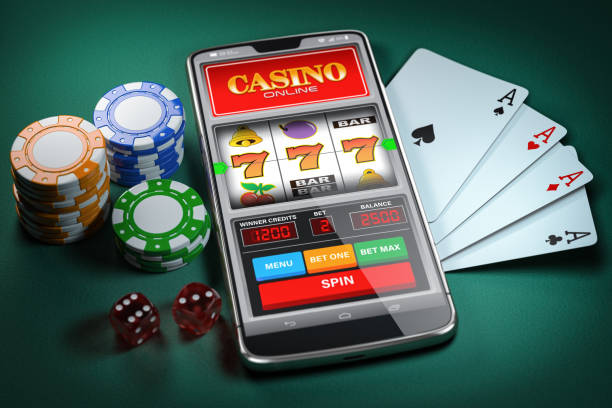
Exploring AUWin9: A Responsible Gaming Platform
For those interested in gambling, understanding the psychological aspects of this behavior is crucial, particularly when selecting a platform for play. AUWin9, a premier online casino tailored for Australian players, offers a vast array of over 3,000 games designed to create an engaging gaming experience. What sets AUWin9 apart is its commitment to responsible gaming, ensuring that players have access to the necessary resources to enjoy their experience without falling into the traps of addiction.
AUWin9 provides new users with a generous welcome bonus, allowing them to explore the platform risk-free while promoting an environment that prioritizes fair play. With various payment methods, including instant deposits via PayID, players can enjoy seamless transactions while having the support of 24/7 customer service. This dedication to user experience enhances player satisfaction while maintaining a focus on responsible gambling practices.
Understanding the psychology behind gambling behavior is essential, and platforms like AUWin9 are at the forefront of promoting awareness and responsible decision-making. By offering comprehensive resources and support, AUWin9 aims to cultivate a positive gaming environment that enhances enjoyment while minimizing the risks associated with gambling.

No comment yet, add your voice below!